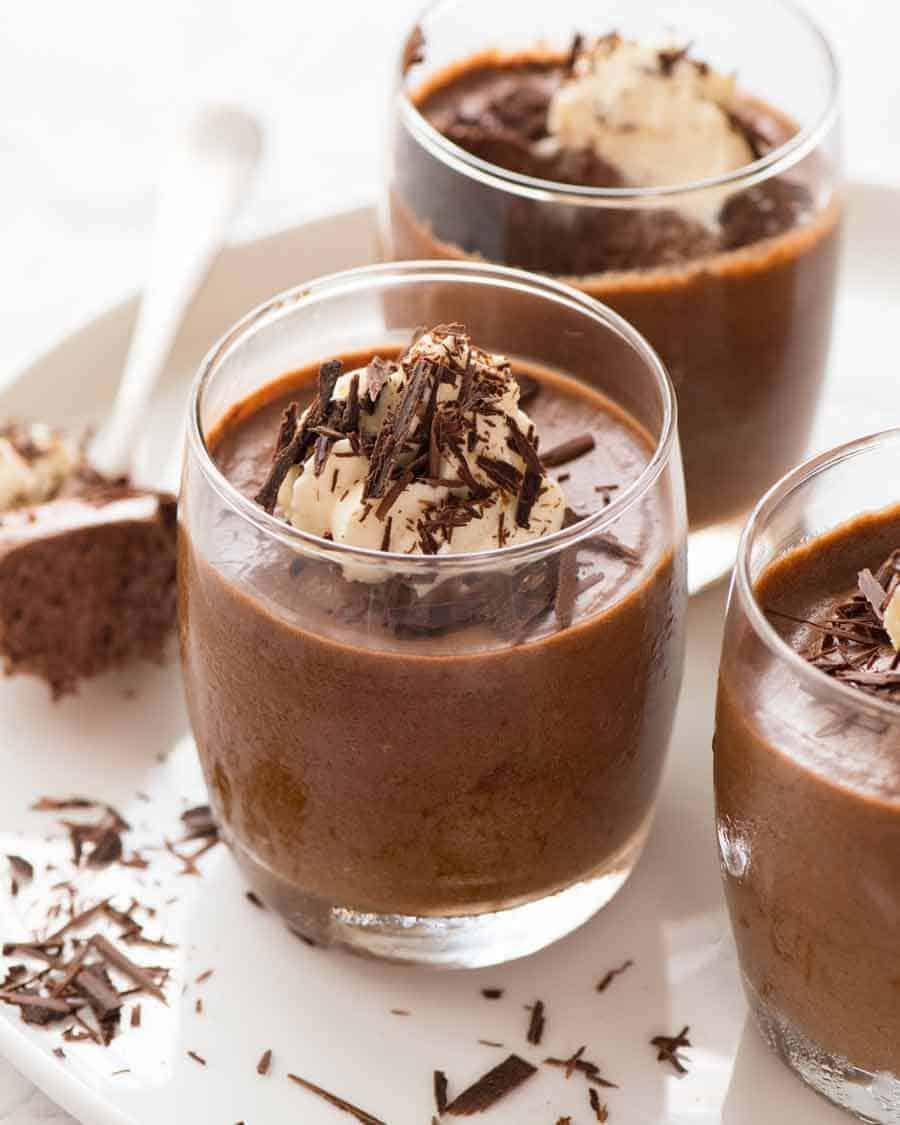
Unlock the Magic: The 1-Ingredient Chocolate Mousse Recipe That Will Revolutionize Your Dessert Game
In the whirlwind of daily life – juggling work, after-school commitments, and homework — the thought of whipping up an elaborate dessert often feels like an impossible dream. We crave those moments of sweet indulgence, especially when it comes to a classic like chocolate mousse, but the traditional recipes can be daunting, calling for multiple ingredients, precise techniques, and a significant time commitment. What if we told you there was a chocolate mousse recipe - Article 1 so simple, so quick, and so incredibly delicious that it uses just one ingredient? Prepare to have your dessert world turned upside down.
Thanks to a groundbreaking technique developed by French gastronomer Hervé This, creating a luscious, airy chocolate mousse is no longer a culinary feat reserved for professional chefs. This isn't just a simplified version; it's a fundamental reimagining that delivers all the creamy, dreamy texture and rich chocolate flavor you adore, without the fuss of eggs, cream, or butter. It's the kind of dessert innovation that busy parents, casual cooks, and serious chocoholics alike can embrace, making fancy sweets an effortless reality any night of the week.
The Science of Simplicity: How Molecular Gastronomy Creates Magic
Traditional chocolate mousse recipes typically rely on fats from heavy cream, egg yolks, or butter to create their signature smooth, emulsified texture. These ingredients bind the chocolate, air, and other liquids together, resulting in a rich and stable foam. However, Hervé This, a pioneer in molecular gastronomy, discovered a method to achieve the same luxurious result using only water and chocolate, leveraging the intrinsic properties of cacao.
His technique, sometimes referred to as "Chantilly chocolate," plays on the unique characteristics of chocolate's emulsifiers and stabilizers. When melted chocolate is rapidly cooled while being vigorously whisked, the fat solids (cocoa butter) in the chocolate crystallize in a specific way. These micro-crystals, along with the cocoa solids and natural emulsifiers present in the chocolate, help to trap air bubbles and create a stable foam. The water acts as a medium for this transformation, allowing the chocolate to be melted and then providing the necessary thermal shock for rapid crystallization when placed over ice. Essentially, you're not just melting and whipping; you're orchestrating a precise molecular dance that creates an entirely new texture from humble beginnings.
This ingenious approach not only simplifies the ingredient list but also offers a lighter dessert experience, free from added fats and cholesterol. It’s a testament to how understanding food at a molecular level can unlock incredible culinary possibilities, making gourmet treats accessible to everyone.
Your Guide to Crafting the Perfect 1-Ingredient Chocolate Mousse
The beauty of this chocolate mousse recipe - Article 2 lies in its straightforward execution. You'll be amazed at how quickly you can go from solid chocolate to a light, airy dessert. Here's how to master this surprisingly simple process:
- Gather Your Chocolate: Start with nine ounces of good quality chocolate. This can be chocolate chips, chunks, or a chopped bar. The quality of your chocolate directly impacts the flavor of your mousse, so choose something you genuinely enjoy.
- Prepare Your Bowl: Place your chosen chocolate into a medium-sized mixing bowl. The size of the bowl is crucial here – too large, and the chocolate will cool too rapidly before you can properly aerate it.
- Boil the Water: Bring ¾ cup of water to a rolling boil. A microwave in a glass measuring cup works perfectly for this, or you can use a small saucepan on the stove.
- Melt the Chocolate: Pour the boiling water directly over the chocolate in the bowl. Immediately begin stirring briskly with a spoon or spatula until the chocolate is completely melted and smooth. Ensure there are no lumps remaining.
- The Ice Bath: This is where the magic truly happens. Prepare a slightly larger bowl filled with ice water. Carefully place your bowl of melted chocolate into the ice bath, making sure that the ice water does not splash or overflow into the chocolate mixture.
- Whisk Like Crazy: Immediately begin whisking the chocolate mixture vigorously with a hand whisk. You need to work quickly and continuously. As the chocolate cools rapidly, it will start to thicken and lighten in color and texture. Keep whisking until it transforms into a fluffy, light, and airy mousse consistency. This usually takes just a few minutes.
- Serve and Enjoy: Once it reaches your desired consistency, remove it from the ice bath and serve immediately, or chill for a slightly firmer texture.
Mastering the Mousse: Essential Tips for Success
While deceptively simple, a few key pointers can elevate your 1-ingredient chocolate mousse from good to absolutely perfect:
- Bowl Size Matters: As mentioned, a medium bowl is ideal for a single batch. If your bowl is too large, the surface area exposed to the ice bath will be too great, causing the chocolate to chill and set before you have adequate time to whip enough air into it. This can result in a ganache-like consistency rather than a light mousse.
- Speed is Your Ally: The moment your chocolate bowl hits the ice bath, you are in a race against time. The rapid cooling means the chocolate will stiffen quickly. If you work too slowly, you'll end up with a thick, dense mixture rather than an aerated mousse. Think fast, furious whisking!
- Troubleshooting Granular or Hardened Mousse: Don't despair if your chocolate hardens prematurely or becomes grainy. This is a common hiccup that's easy to fix. Simply remove the bowl from the ice bath and pop it into the microwave for 30-second intervals, stirring between each, until it softens again. Once it's smooth and melted, return it to the ice bath and resume whisking with renewed vigor.
- The Right Chocolate Base: The type of chocolate you choose significantly impacts the outcome. Hervé This's original method recommends chocolate with at least 70% cacao. This higher percentage of cocoa solids and cocoa butter is key to its structural integrity. While dark chocolate provides a rich, intense flavor, you can experiment with milk chocolate or semi-sweet varieties if your family (or personal preference) leans towards a less intense chocolate experience. Just be aware that lower cacao percentages might yield a slightly softer, less stable mousse due to different fat-to-solid ratios. For a truly sophisticated flavor, consider premium dark chocolate brands.
- Temperature Control is Key: Ensure your water is truly boiling before pouring it over the chocolate. This ensures complete and rapid melting. Conversely, the ice bath needs to be genuinely icy to provide the necessary thermal shock for quick setting and aeration.
Flavor Personalization & Serving Suggestions
One of the beauties of this basic chocolate mousse recipe - Article 3 is its adaptability. While delicious on its own, it also serves as a fantastic canvas for personalization. My own family's experience highlighted this; while one daughter adored the intense dark chocolate, the other found it a bit too robust.
To soften the intensity or add another layer of flavor:
- Aromatic Water: Instead of plain water, consider using hot coffee or espresso for a mocha-infused mousse. For an adult twist, a splash of hot rum, Kahlúa, or Grand Marnier melted with the chocolate can create a truly decadent dessert.
- Sweetener Boost: If using very dark chocolate and preferring a sweeter profile, you can add a tablespoon or two of sugar or a liquid sweetener (like agave or maple syrup) to the boiling water before pouring it over the chocolate. Stir well to ensure it dissolves completely.
- Spice it Up: A pinch of cayenne pepper for a Mexican chocolate twist, or a dash of cinnamon or cardamom, can be whisked into the melted chocolate before the ice bath stage.
Beyond the mousse itself, consider how you serve it. While macerated strawberries and whipped cream are classic pairings, here are some other ideas:
- Fresh Berries & Zest: Raspberries, blueberries, or orange segments offer a vibrant contrast. A sprinkle of orange zest or finely grated lemon zest adds a refreshing aroma.
- Crunchy Toppings: Crushed pistachios, toasted almonds, chocolate shavings, or even a sprinkle of sea salt flakes can add textural complexity.
- Sauces: A drizzle of raspberry coulis, salted caramel, or even a simple vanilla bean crème anglaise can elevate the experience.
- Mini Parfaits: Layer the mousse with crushed cookies (like shortbread or amaretti), granola, or even fruit compote in small glasses for an elegant presentation.
A Dessert for Every Occasion (and Every Day)
This 1-ingredient chocolate mousse isn't just a party trick; it's a genuine game-changer for anyone who loves chocolate. It democratizes the art of mousse-making, proving that incredible flavor and texture don't require a lengthy ingredient list or complicated techniques. Whether you're a busy parent needing a quick weeknight treat, an aspiring home cook looking for an impressive yet easy dessert, or simply a chocolate enthusiast seeking a pure, unadulterated cacao experience, this chocolate mousse recipe - Article 3 is a must-try.
So, clear your counter, grab your favorite chocolate, and prepare to whip up a dessert that will delight your senses and impress your guests, all with unparalleled ease. Happy whisking!
